
NASO CARE

Instructions for Use (IFU)
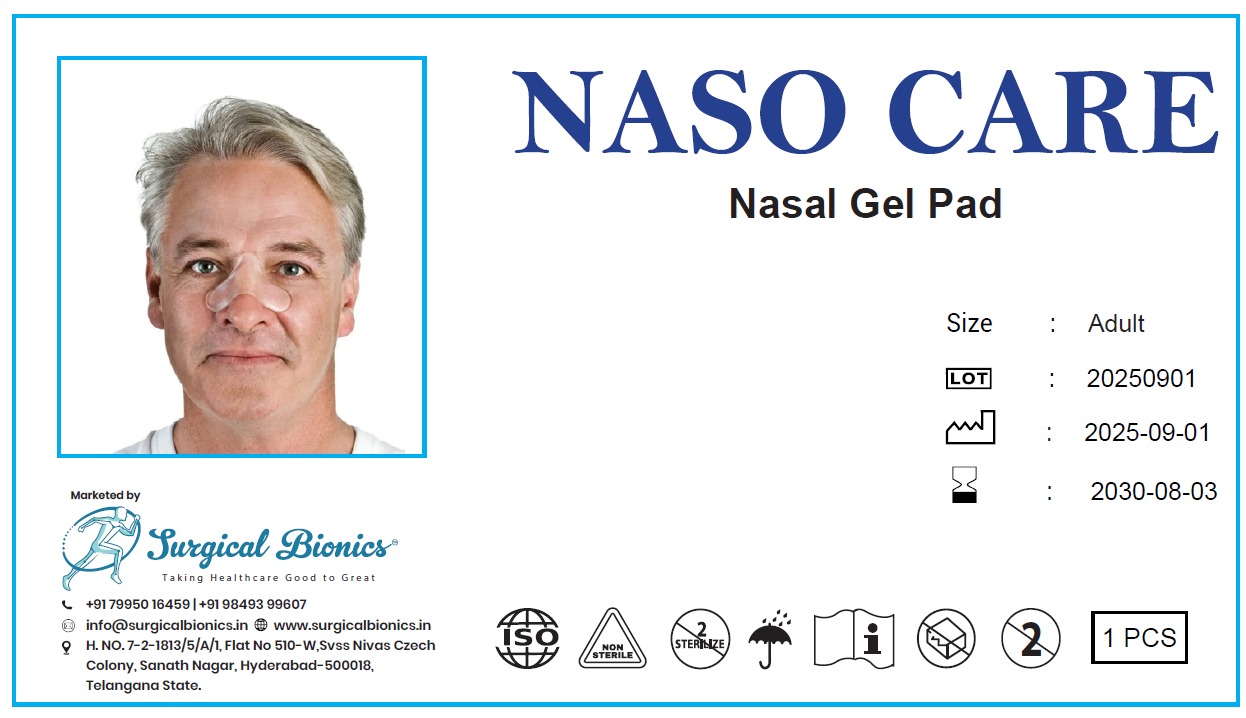
Silicone Nasal Gel Pad for CPAP/BiPAP Masks
Device Identification
Device Name: Silicone Nasal Gel Pad
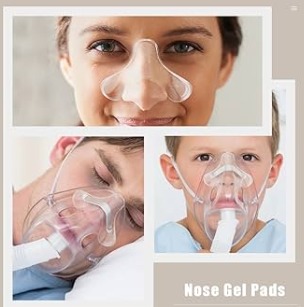
* *Intended Purpose:* Soft silicone pad designed to reduce pressure, friction, and skin irritation under CPAP/BiPAP masks, helping to prevent nasal bridge ulcers.
Indications for Use
* To protect the skin at the nasal bridge and surrounding areas from pressure and friction caused by CPAP or BiPAP mask interfaces.
* For use in patients undergoing non-invasive positive pressure ventilation at home or in clinical settings.
Contraindications
* Known allergy or hypersensitivity to silicone.
* Open wounds, active infection, or severe dermatitis at the site of application.
* Use caution in patients with fragile or compromised skin.
Warnings
* For external use only.
* *Single-patient use recommended* to avoid cross-contamination.
* Do not use if device is torn, damaged, or shows signs of wear.
* Discontinue use if skin irritation, rash, or discomfort occurs and consult a healthcare professional.
Precautions
* Clean skin and remove any oils or creams before application.
* Ensure the gel pad is positioned correctly under the mask interface for optimal pressure relief.
* Replace pad regularly according to manufacturer guidance or sooner if soiled, torn, or uncomfortable.
* Avoid applying excessive tension or stretching the gel pad during placement.
Instructions for Use
1. Wash hands thoroughly before handling the gel pad.
2. Remove the CPAP/BiPAP mask and clean the nasal area if necessary.
3. Place the silicone gel pad over the nasal bridge where the mask contacts the skin.
4. Reposition the CPAP/BiPAP mask over the gel pad, ensuring a secure but comfortable fit.
5. Adjust straps or tension as needed to maintain mask seal without causing excessive pressure on the gel pad.
6. Inspect the skin under the pad regularly, especially during the first few nights of use.
Cleaning and Maintenance
* Wash the gel pad daily with mild soap and warm water.
* Rinse thoroughly and air-dry completely before reuse.
* Avoid exposure to direct sunlight, excessive heat, or harsh chemicals.
* Inspect for cracks, tears, or discoloration and replace if damaged.
Storage Conditions
* Store in a clean, dry place at room temperature.
* Keep away from dust, heat, and direct sunlight.
Disposal
Dispose of damaged or worn pads according to local waste disposal regulations.